

Palm Crest Phase 1 allocation confirms that investors who purchased plots in the Palm Crest agricultural estate have already begun receiving their land in structured batches. The project, developed by Reftop Homes Limited in partnership with Agrofield, follows a clear allocation system where investors are assigned plots based on the order in which payments are completed. In Phase 1 alone, two of eleven allocation batches have already been executed, demonstrating that the estate is operational and delivering on its commitments.
For anyone researching Palm Crest farm estate, Palm Crest palm oil investment, or Palm Crest allocation process, this guide explains exactly how the allocation system works and why it matters for investors.
What Palm Crest Allocation Means for Investors
Allocation is the stage where an investor is officially assigned a specific plot of land within the estate layout.
In real estate and agricultural estate investments, allocation is a major milestone because it proves that:
-
The land exists
-
The layout is structured
-
Investors are being assigned plots
-
The developer is fulfilling commitments
Many projects sell land but delay allocation indefinitely.
Palm Crest Phase 1 tells a different story.
The project has already completed multiple batches of allocations, giving investors a clear timeline and confirmation that the estate is progressing.
Overview of Palm Crest
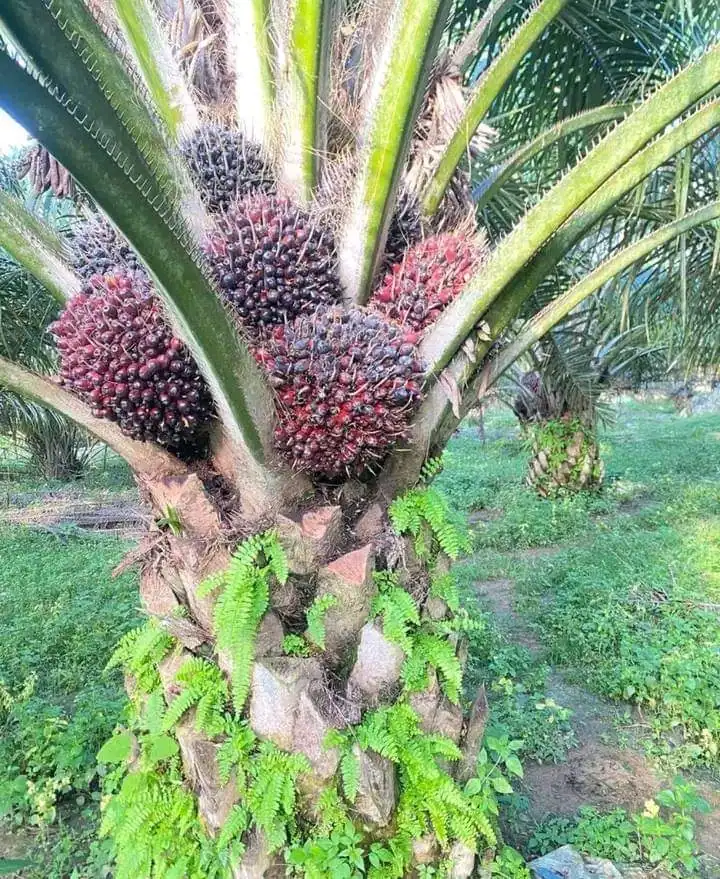
Palm Crest is an agricultural estate designed for palm oil cultivation and long-term agribusiness investment.
The project is powered by Reftop Homes Limited, with agricultural support from Agrofield, and it focuses on structured plantation development where investors can own land dedicated to palm oil production.
Palm oil remains one of the most valuable agricultural commodities in Nigeria and globally.
Demand continues to rise because palm oil is used in:
-
Food production
-
Cosmetics
-
Biofuel
-
Pharmaceuticals
-
Industrial manufacturing
This makes palm plantations one of the most strategic long-term agricultural investments.
Palm Crest was created to allow individuals to participate in that opportunity.
Palm Crest Phase 1 Allocation Schedule
The Phase 1 allocation timeline shows how plots were assigned in batches.
Each batch represents a group of investors who completed their payments and became eligible for land allocation.
| Batch | Allocation Date | Status |
|---|---|---|
| Batch 1 | Completed | Allocated |
| Batch 2 | Completed | Allocated |
| Batch 3 | 8 April | Scheduled Allocation |
| Batch 4 | 10 April | Scheduled Allocation |
| Batch 5 | 13 April | Scheduled Allocation |
| Batch 6 | 15 April | Scheduled Allocation |
| Batch 7 | 12 May | Scheduled Allocation |
| Batch 8 | 14 May | Scheduled Allocation |
| Batch 9 | 16 May | Scheduled Allocation |
| Batch 10 | 20 May | Scheduled Allocation |
| Batch 11 | 21 May | Scheduled Allocation |
Why Allocation Matters in Real Estate Investment
Allocation is one of the most important stages in any land investment.
It confirms ownership positioning within the estate.
Without allocation, investors only hold purchase receipts or provisional documents.
With allocation, investors are assigned a specific plot number inside the estate layout.
This creates:
-
Transparency
-
Accountability
-
Clear land ownership mapping
For projects like Palm Crest, allocation also allows the agricultural development phase to move forward.
How Palm Crest Allocation Works
The allocation system used by Reftop Homes follows a clear rule:
Allocation is done in the order of payment completion.
This means investors who finish their payments earlier receive priority in allocation batches.
The process typically follows these steps.
-
Investor completes payment for their plot.
-
Investor is grouped into a batch.
-
Reftop Homes schedules the allocation date.
-
Investor receives plot assignment.
-
Documentation confirms the allocated plot.
This system keeps the process fair and transparent.
Why Early Investors Benefit the Most
In most real estate developments, early investors benefit from three major advantages.
1. Early Allocation
Investors who complete payment early receive land faster.
This places them ahead of later buyers.
2. Lower Entry Price
Early investors often purchase land at lower prices before the estate gains popularity.
As demand increases, prices rise.
3. Higher Long-Term Value
Land value tends to appreciate as development progresses.
Early investors position themselves to benefit from this growth.
The Role of Reftop Homes in Palm Crest
Reftop Homes is the development company behind Palm Crest.
The company focuses on real estate and agricultural investment projects designed to create long-term value for investors.
Their role includes:
-
Estate planning
-
Land acquisition
-
Allocation management
-
Investor documentation
-
Development coordination
Through partnerships with agricultural experts like Agrofield, Palm Crest is designed to operate not just as a land sale project but as a structured agricultural estate.
Palm Crest and the Future of Agricultural Investment in Nigeria
Agriculture remains one of the strongest sectors for long-term investment in Nigeria.
Palm oil in particular holds enormous economic potential.
Nigeria was once the largest producer of palm oil in the world.
Today, the country still imports large quantities to meet domestic demand.
This supply gap creates opportunities for plantation development.
Projects like Palm Crest aim to position investors within that opportunity.
Internal Resource: Learn More About Palm Crest
If you want to understand the full investment opportunity behind Palm Crest, read the detailed guide below:
Palm Crest Farm Estate Investment Guide
That article explains:
-
Location
-
Pricing
-
Investment structure
-
Plantation model
-
Long-term returns
This helps investors understand the full picture before purchasing land.
Read More: Palm Crest Farm by Reftop Homes: A Smart Way to Earn from Nigeria’s Palm Oil Boom
What Happens After Allocation
After allocation, the project moves into development stages.
These may include:
-
Plantation preparation
-
Palm seedling planting
-
Infrastructure development
-
Estate management operations
Investors benefit from being part of a structured agricultural ecosystem designed for long-term productivity.
Why Palm Crest Is Attracting Investor Attention
Several factors make Palm Crest appealing to investors.
Structured Allocation System
Clear batch allocations build trust.
Agricultural Investment Focus
Palm oil plantations provide long-term value.
Transparent Timeline
Investors can see when allocations are scheduled.
Growing Demand for Agricultural Land
Many investors are shifting from urban land speculation to productive agricultural land.
Palm Crest sits directly in that category.
Frequently Asked Questions About Palm Crest Allocation
How does Palm Crest allocation work?
Allocation is done in batches based on the order in which investors complete payment. Each batch is assigned plots within the estate layout.
Has Palm Crest Phase 1 allocation already started?
Yes. Palm Crest Phase 1 has already completed allocations for eleven batches of investors.
What happens after my plot is allocated?
After allocation, your plot becomes officially assigned within the estate layout and documentation confirms your ownership position.
Can new investors still buy Palm Crest plots?
Yes. New investors can still participate through the ongoing phases of the project depending on availability.
Why are allocations done in batches?
Batch allocation allows developers to organize land assignments systematically and fairly according to payment completion.
Final Thoughts
Palm Crest Phase 1 allocation demonstrates a key principle in real estate and agricultural investment.
Projects gain credibility when they move beyond promises and begin delivering.
With multiple batches already allocated, Palm Crest shows clear operational progress.
For investors interested in agricultural land, plantation development, and long-term asset ownership, this project represents a structured opportunity.
If you want verified guidance before investing in Palm Crest or any agricultural estate, professional advice matters.
Realtor Kingsley helps investors identify legitimate land opportunities and navigate the buying process safely.
Visit:
www.realtorkingsley.com.ng
Explore verified land opportunities and expert insights into Nigeria’s growing real estate and agricultural investment market.



Join The Discussion