

Many people wait until an area is fully developed before buying land.
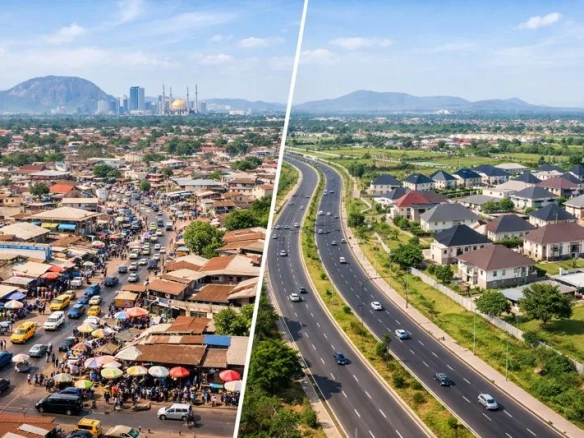
They want good roads, schools, and light before they make a move. But here’s the truth, by the time all that comes, the price has already gone up.
Those who buy land before development starts are the real winners.
They pay less, take advantage of early growth, and watch their land multiply in value without lifting a finger.
In Abuja and its surrounding districts, early buyers in places like Kyami, Kuje, Idu, Gwagwalada, Karsana, Sheretti, Kwali, and Abaji are already smiling. These areas might look quiet now, but they hold strong potential for residential estates, rental income, and even farmland investment.
This post breaks down why buying early works, how to spot the next big area, and what to watch for before you pay.
1. Why Buying Land Early Matters
When you buy land early, you’re not just buying a piece of ground, you’re buying time and opportunity.
You’re getting in before the crowd, before prices explode, and before developers start putting up walls.
For instance, 10 years ago, Lugbe and Gwagwalada were considered “too far.”
Today, those same locations are part of the city’s growth corridor, with estates everywhere and plots going for ₦15 million to ₦30 million.
The same story is quietly unfolding in:
- Kyami (Lugbe District 1) – close to the Airport and Idu Railway Station.
- Idu – now booming with industrial activity and estates.
- Kuje – a fast-rising residential zone with government and private estate projects.
- Karsana – developing rapidly due to its closeness to Gwarinpa.
- Sheretti and Sauka – attracting middle-income earners looking for affordable options.
- Kwali and Abaji – ideal for farmland, logistics parks, and future suburban housing.
Those who act early will be part of the next generation of Abuja property owners who bought smart, not late.
2. The Real Hidden Benefits of Buying Before Development Starts
1. You Get the Cheapest Price
At the early stage, prices are at their lowest.
A plot in Kyami that costs ₦15 million today could easily go for ₦60 million once development reaches full swing.
Buying before development is how you multiply your investment without pressure.
2. You Enjoy High Returns Later
Infrastructure like roads, power, and drainage drives value up.
When those arrive, landowners who bought early enjoy up to 300%–500% appreciation.
That’s why real estate professionals say, “Don’t wait to buy land. Buy land and wait.”
3. You Choose Better Plots
Early buyers get first pick, corner plots, main road plots, or those closest to future amenities.
By the time late buyers arrive, the best spots are gone.
4. You Have Development Flexibility
You can decide whether to hold, resell, or build later.
Unlike developed estates with strict guidelines, undeveloped areas give you more control.
5. You Beat the Competition
When everyone is rushing in, prices go up and documents become harder to process.
Buying early gives you peace of mind and easier verification.
Suggested Read: Buying A Land in Abuja (What You Need To Know) – Realtor Kingsley
3. Understanding Key Growth Areas Around Abuja
Abuja is expanding fast. The Federal Capital Territory is not just one city — it’s a network of growing districts connected by expressways and infrastructure.
Here’s a quick look at some of the top-performing early-buy zones:
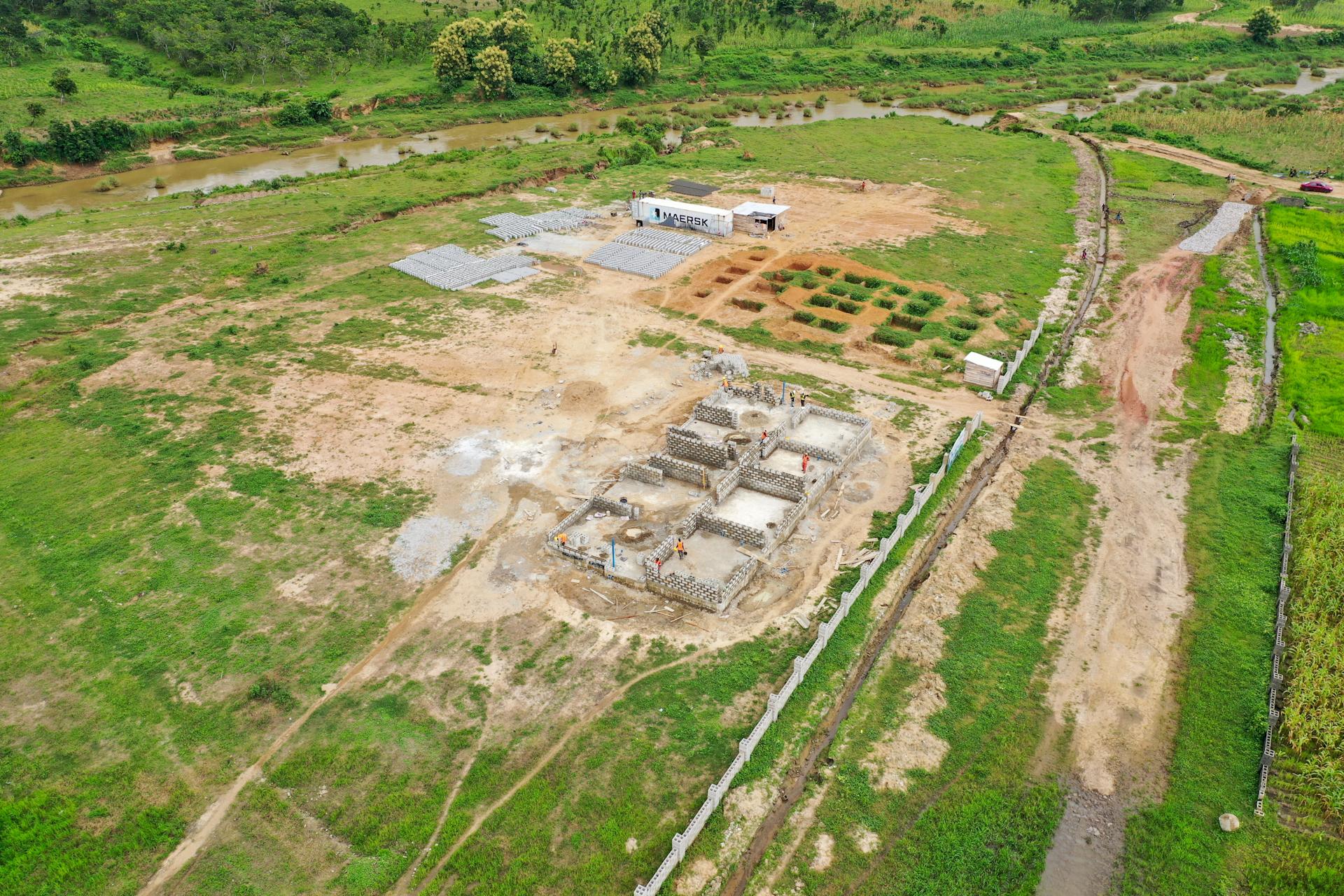
A. Kyami (Lugbe District 1)
Kyami sits between Lugbe, Idu, Gousa, and Sauka. It’s close to Nnamdi Azikiwe International Airport and the Idu Railway Station.
This area is part of the Abuja Master Plan and has multiple approved residential layouts.
Developers are already moving in because of its strategic access — linking the airport to the industrial corridor of Idu.
Kyami land is still relatively affordable, but prices are expected to rise sharply once the ongoing expressway expansion finishes.
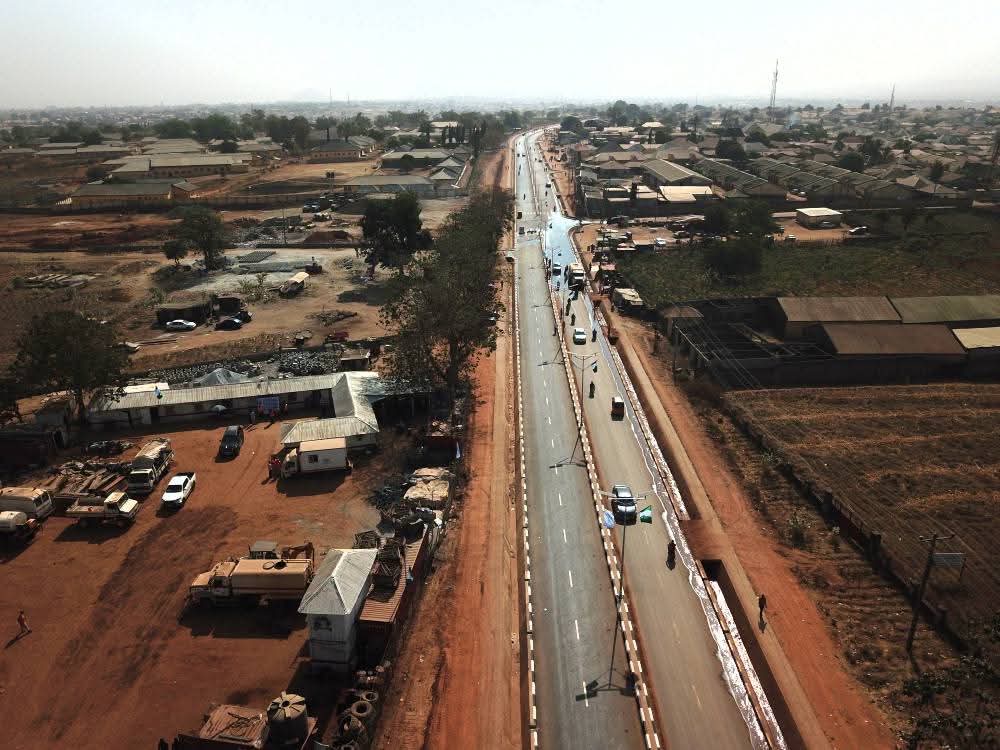
B. Kuje
Once quiet and rural, Kuje is now one of Abuja’s most active satellite towns.
The Kuje-Gwagwalada Road is being upgraded, and estates are springing up around the Kuje Secretariat and Kopi Hills axis.
It’s also ideal for civil servants and middle-income earners because of easy access to the Airport Road, Lugbe, and Kyami.
Plots here are more affordable than Lugbe but growing fast.

C. Idu Industrial District
Idu is a powerhouse — home to the Abuja Rail Station, industrial estates, and factories.
The area connects easily to Karmo, Jahi, and Kyami, making it one of the most valuable investment corridors for mixed-use development.
Land here attracts both residential and commercial buyers.
Early investors are already converting portions into mini-industrial hubs, warehouses, and service apartments.
Buy: Borough Ville Estate, Kyami, Lugbe District 1, Abuja

D. Gwagwalada
As one of Abuja’s oldest satellite towns, Gwagwalada now benefits from a University Teaching Hospital, University of Abuja, and major road links.
It connects directly to Lokoja, Kwali, and Abaji, making it a transport and trade hub.
The government is also investing in infrastructure upgrades, pushing property value higher every year.
Plots here are perfect for both long-term investment and affordable housing projects.
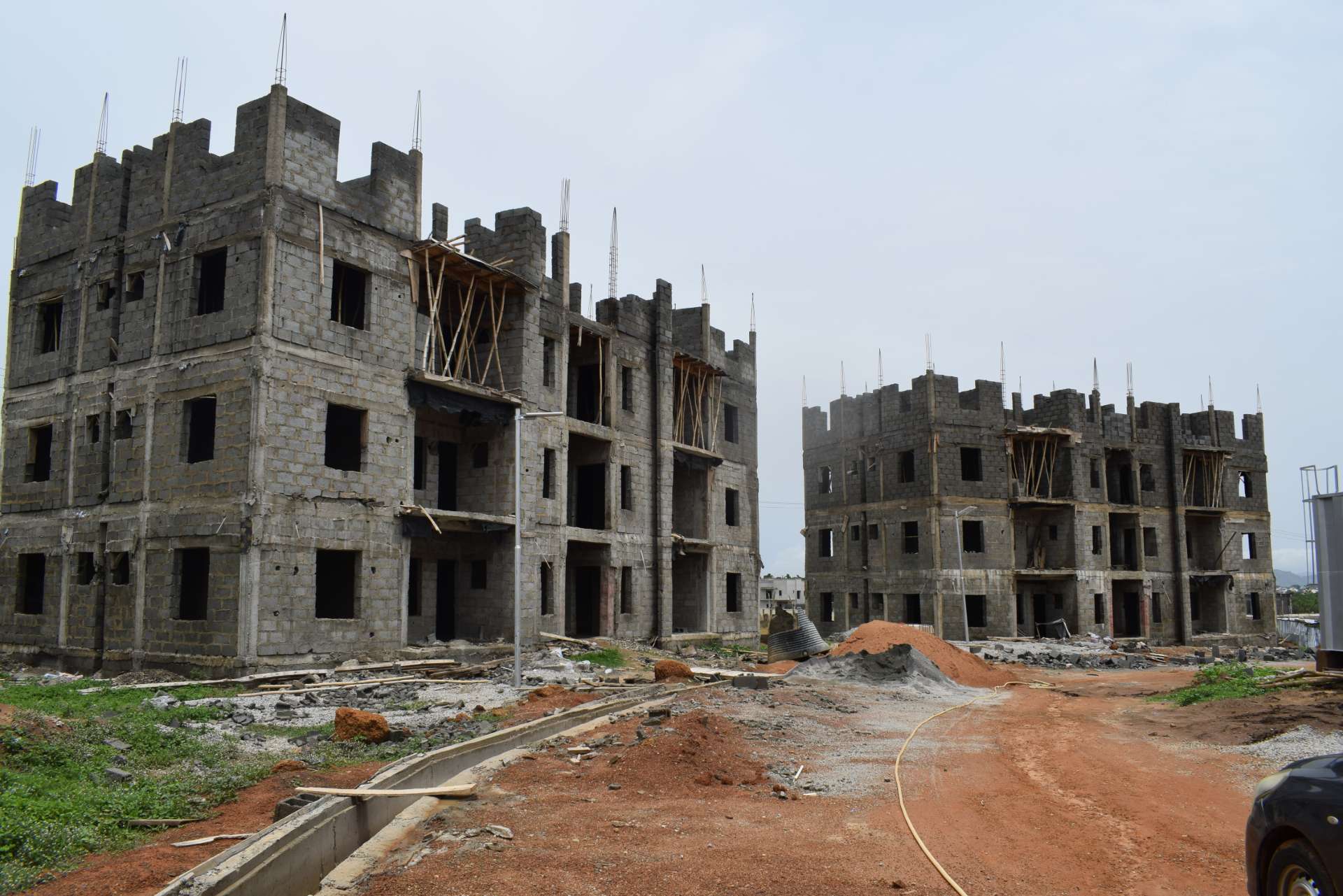
E. Karsana District
Karsana is an extension of Gwarinpa, one of Abuja’s most developed areas.
This makes it a hot spot for investors looking for growth near the city center but at lower costs.
Road networks, schools, and shopping centers are coming up fast.
In 3–5 years, Karsana will likely be as expensive as Dawaki or Katampe.
Buying now means positioning for massive appreciation.

F. Sheretti (Kabusa)
Sheretti sits within the Kabusa district in Abuja’s Phase 3 area. It’s not along the Airport Road corridor but rather tucked closer to Lokogoma and Apo-Dutse. The area has grown fast over the past few years because of its closeness to the city and availability of affordable plots. Infrastructure is improving, and several private developers have moved in to create gated estates.
For buyers looking for affordable residential land not too far from the city center but away from the noise, Sheretti offers good value. Early investors are already seeing returns as demand keeps rising across the Kabusa–Lokogoma belt.

G. Sauka and Gousa (Airport Road Corridor)
Sauka and Gousa sit along the Airport Road–Lugbe–Kyami corridor, just a few minutes from Nnamdi Azikiwe International Airport.
These areas are part of Abuja’s fast-expanding southern gateway, attracting developers and young families seeking accessibility and long-term growth potential.
Infrastructure projects, such as ongoing road expansion and new estate developments, are pushing property values upward.
For buyers interested in convenience and capital appreciation, Sauka and Gousa offer some of the best early-stage opportunities along the Airport Road axis.

H. Kwali and Abaji
If you’re thinking about farmland, logistics, or agro-estates, these are your spots.
Both Kwali and Abaji lie along the Abuja–Lokoja expressway, a major route for transporting goods to the South and North.
They also have large land areas, perfect for:
- Crop and livestock farming
- Storage and distribution centers
- Affordable gated communities
Land here is still cheap, but with new federal projects and private developments, appreciation is guaranteed.
4. How to Know When an Area Is About to Grow
You don’t need to guess. There are clear signs that an undeveloped area is ready for growth.
Look out for these:
- Government presence – FCDA layouts, new road construction, or infrastructure projects.
- Estate signboards – once estate developers start advertising, growth is near.
- Proximity to expressways or public facilities – schools, hospitals, airports, etc.
- Population shift – when people start renting nearby, it’s time to buy.
- Land scarcity in nearby developed zones – people will always expand outward.
If you see three or more of these signs, it’s a good place to invest early.
5. Risks to Avoid When Buying Early
Not every cheap land is a good deal.
Here’s what to be careful about:
1. Poor Documentation
Avoid any land without a clear title or layout approval.
Ask for C of O, R of O, or allocation papers verified through FCDA or AMAC.
2. Family or Community Land Disputes
Buy only from verified sources — not from middlemen or unconfirmed family heads.
3. No Access Road
If you can’t drive to the land, don’t pay. Accessibility affects future resale value.
4. Ignoring Expert Advice
Always consult a trusted realtor like Realtor Kingsley, who understands Abuja’s terrain and can guide your verification process.
See Step-by-Step: How to Verify Land Documents in Abuja
6. Real-Life Examples of Early Buyers Winning
- Kyami (2018): Plots sold for ₦3 million. In 2025, they’re worth over ₦15 million.
- Kuje (2016): Plots at ₦1.5 million now go for ₦8–10 million.
- Idu (2015): Industrial land worth ₦5 million then now sells at ₦30 million+.
- Kwali (2019): Farmlands that cost ₦600,000 now attract ₦3–₦5 million for larger acres.
These are not theories — they’re proof that patience pays more than perfection in real estate.
Conclusion: Invest Early, Watch Value Grow
The best time to buy land is not when everything looks perfect — it’s when people are still ignoring the area.
That’s when you get the best deals, the biggest plots, and the highest returns.
If Abuja’s current expansion continues, areas like Kyami, Kuje, Idu, Karsana, Sheretti, Kwali, and Abaji will define the city’s next wave of growth.
Buying early today means securing tomorrow’s opportunities.
So don’t wait for the city to reach your area — own the area before the city reaches it.
Frequently Asked Questions (FAQs)
1. Which area in Abuja is best for early land buyers?
Kyami, Kuje, Idu, and Karsana are strong residential options.
For farm or industrial investment, Kwali and Abaji are ideal.
2. How long should I hold early land?
3–5 years minimum. That’s when infrastructure and price appreciation become visible.
3. Is it safe to buy undeveloped land?
Yes, if it’s verified through FCDA or the right authorities and purchased from trusted realtors.
4. What’s the best use for early land?
You can build later, resell, or lease. Even if you fence and leave it, value will grow naturally.
5. How do I know if development is coming soon?
Watch for new roads, estate projects, or public facilities nearby. These are early signals.

Join The Discussion