
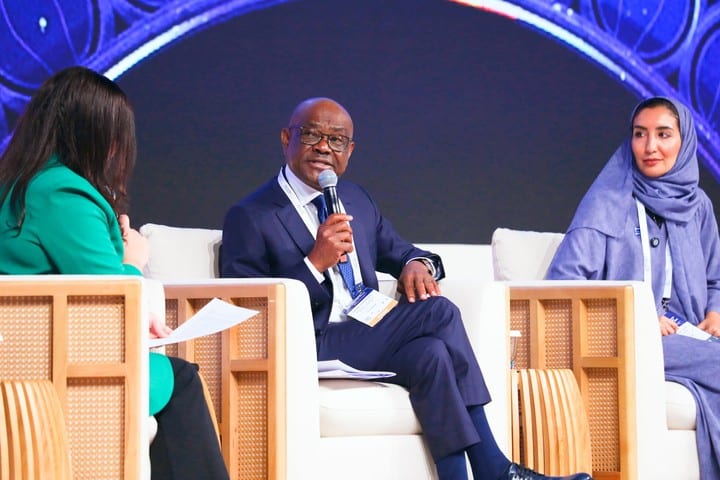
At the 2025 Asia Pacific Cities Summit & Mayors’ Forum in Dubai, Nigeria’s Minister of the Federal Capital Territory, Nyesom Ezenwo Wike, unveiled an ambitious plan to transform Abuja into a Smart City — one designed around innovation, digital systems, and sustainable growth.
He described a clear vision built on five key pillars: Urban Mobility, Sustainability, Public Safety, Digital Governance, and Economic Empowerment.
This isn’t just a government project; it’s a roadmap for how Abuja can grow into a 21st-century city that works better for its people.
The Five Pillars of the Abuja Smart City Plan
1. Urban Mobility
Modern cities are built around how people move. Abuja’s Smart City plan focuses on intelligent traffic systems, improved road networks, and smarter public transport that reduces travel time and makes movement more efficient.
The goal is to ease congestion, connect communities, and make transport safer for everyone.
2. Sustainability
Sustainability lies at the heart of the plan. Through energy-efficient infrastructure, smart water systems, and greener development, Abuja aims to protect its environment while expanding.
The Japan International Cooperation Agency (JICA) is already supporting this vision with water metering and management projects that promote conservation and accountability.
3. Public Safety
Safety is a major priority. The Smart City blueprint includes plans for integrated surveillance systems, better emergency response tools, and smarter policing through data-driven technology.
When citizens feel safe, the city thrives.
4. Digital Governance
Wike also emphasized the importance of digital governance — where technology makes government services faster, simpler, and more transparent.
From paying utility bills online to processing permits seamlessly, this shift could redefine how citizens interact with public institutions.
5. Economic Empowerment
The Smart City agenda isn’t just about infrastructure — it’s also about people. By encouraging investment, entrepreneurship, and inclusive development, the FCT Administration aims to create new opportunities for residents and small businesses.

Partnerships Bringing the Vision to Life
Abuja’s Smart City vision is backed by strategic partnerships with international organizations and private investors.
- JICA (Japan International Cooperation Agency) — collaborating on smart water management.
- Chinese technical partners — contributing to intelligent traffic systems and urban technology.
- Private sector investors — invited to support digital infrastructure, housing, and mobility projects.
These partnerships show that this vision is more than political rhetoric; it’s a coordinated effort to modernize Nigeria’s capital in line with global standards.
Why It Matters to Everyday Nigerians
The Abuja Smart City plan directly impacts everyday life in practical ways:
- Less traffic and better transport systems.
- Reliable water and electricity through smart utilities.
- Safer communities with real-time monitoring.
- Digital access to government services.
- Job creation and more business opportunities.
This plan is about using technology to improve daily living — not just to impress, but to genuinely serve.
Real Estate and Investment Opportunities
For real estate investors, the Abuja Smart City initiative opens new doors.
As infrastructure expands and smart mobility systems evolve, property values in strategic corridors are expected to rise — especially around developing areas like Kyami, near the airport.
Kyami already has Federal Capital Development Authority (FCDA) approval and offers proximity to major road networks — making it a future-ready hub for residential and commercial investment.
If you’re investing in land or housing, now is the time to align with Abuja’s growth direction. The earlier you position yourself in developing areas, the higher your long-term gains.
Looking Ahead: A Smarter Future for Abuja
The Abuja Smart City Vision marks a shift from conventional urban planning to data-driven development. It shows a government looking beyond politics — toward infrastructure, innovation, and inclusion.
Of course, success will depend on execution and consistency, but the intent is clear: to build a city that’s smart, safe, and centered on people.
Abuja already leads as the administrative capital of Nigeria. This plan could make it the most forward-thinking city in West Africa — a model for how to blend technology with human progress.

Final Thoughts
If Abuja achieves even a portion of this Smart City agenda, residents will enjoy faster transport, safer neighborhoods, and better quality of life.
Investors, too, will benefit from increased property values and infrastructure-driven appreciation.
Technology might be the engine of this transformation, but the heart of it remains the people — citizens who deserve a capital city that works smarter, not harder.
Abuja is not just being built. It’s being upgraded for the future.
FAQs on Abuja Smart City Vision
1. What is the Abuja Smart City plan?
It’s a long-term urban development strategy by the FCT Minister, Nyesom Wike, aimed at using technology and innovation to improve mobility, safety, governance, and the economy in Abuja.
2. Who are the key partners in Abuja’s Smart City project?
Major partners include the Japan International Cooperation Agency (JICA), Chinese infrastructure experts, and several private sector investors focused on smart infrastructure and housing.
3. How will the Smart City plan affect real estate in Abuja?
Smart infrastructure and better mobility are expected to boost property values, especially in developing districts near transport hubs and airport corridors such as Wukara, Sauka, and Gousa.
4. When will Abuja Smart City projects start taking shape?
Some initiatives like smart water metering and intelligent traffic systems are already in motion, while broader projects will roll out in phases through 2025 and beyond.
5. How can individuals benefit from this Smart City plan?
Residents will experience easier access to services, safer communities, and better infrastructure. Investors and entrepreneurs can tap into new opportunities in real estate, transport, and digital solutions.



Join The Discussion