
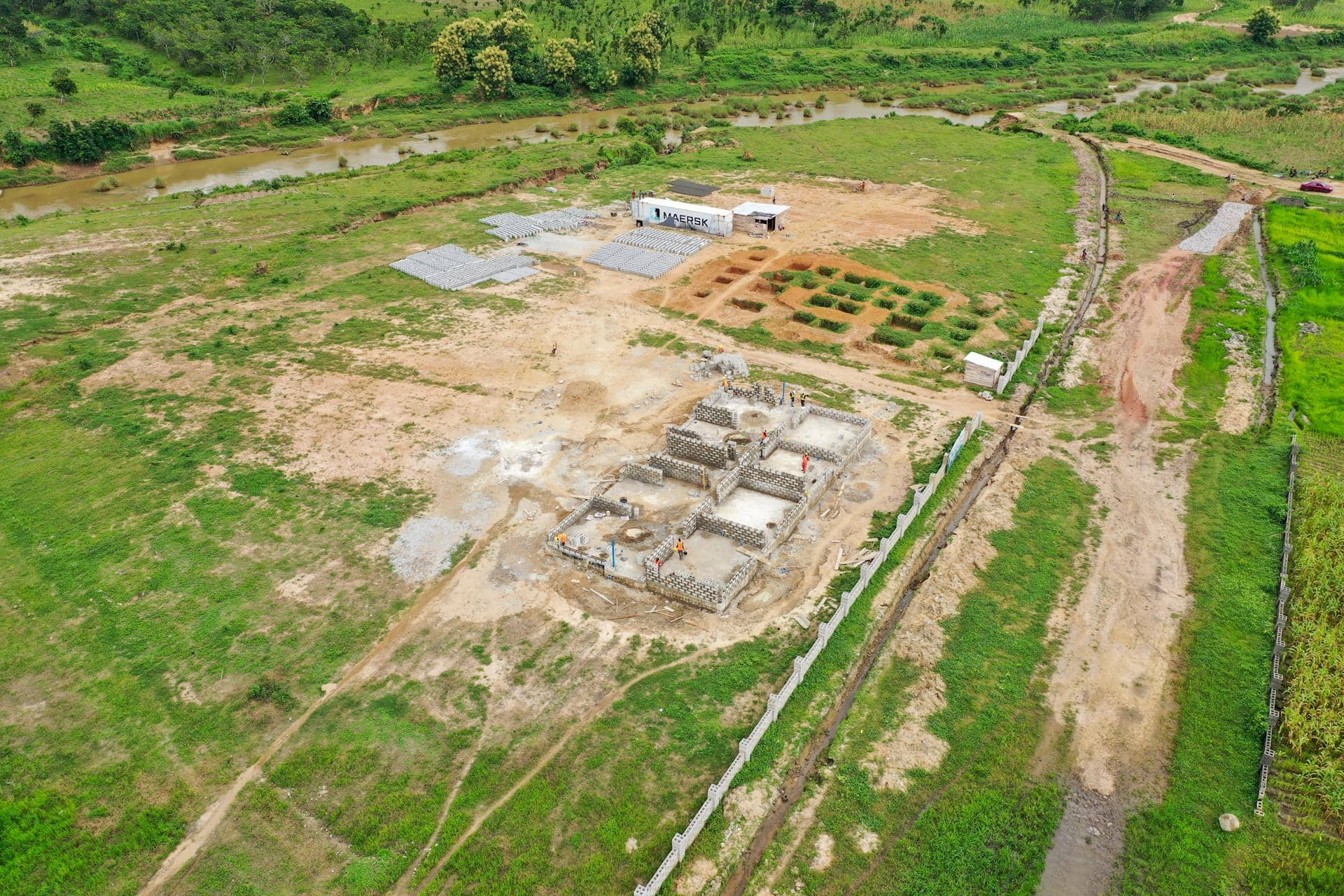
Kyami, also known as Lugbe District 1, is one of Abuja’s fastest-rising real estate zones. It sits along the Umaru Musa Yar’Adua Expressway (Airport Road) and shares easy access to Lugbe, Gousa, Sauka, Wukara, Idu, and the Nnamdi Azikiwe International Airport.
Its location makes it ideal for both residential and commercial development. Surrounded by major transport hubs and planned infrastructure, Kyami is quickly becoming a strong choice for investors who want affordable entry into the Abuja property market — with clear prospects for long-term growth.
This guide explains what makes Kyami special, what to look out for before buying, the current land prices, and how to position yourself for profit.
1. Why Kyami Is Gaining Attention
Kyami sits quietly near the Airport corridor — one of Abuja’s most strategic locations. The district is part of the Federal Capital Territory’s Phase 5 development zone, which is now opening up for residential and commercial layouts.
Over the last few years, road networks, estate projects, and private developments have been spreading into the area. The district benefits from its easy connection to Lugbe, Idu, and the expressway leading directly into the city.
Here’s why many investors are focusing on Kyami:
- Proximity: Less than 15 minutes to both the Airport and Idu Railway Station.
- Accessibility: The Airport Road connects Kyami to Lugbe, Gousa, and Sauka with smooth dual carriageways.
- Urban Planning: The area falls under FCDA-approved layouts with plots mapped for residential, mixed-use, and commercial purposes.
- Affordability: Land prices are still moderate compared to central districts.
- Growth Outlook: Estate developers and individuals are already moving in ahead of full infrastructure rollout.
Kyami represents what early Lugbe was ten years ago — a district on the brink of transformation.
2. Key Landmarks Around Kyami (Lugbe District 1)
Understanding what surrounds Kyami helps you see why it’s a high-potential area. Location drives value — and Kyami is surrounded by projects and infrastructure that already shape Abuja’s real estate map.
Nnamdi Azikiwe International Airport
The Abuja International Airport is one of Kyami’s strongest value points. It’s less than a 15-minute drive away, giving the district rare proximity to the city’s main gateway.
This closeness means:
- Reduced commute for airport staff, pilots, and logistics workers.
- High potential for short-let apartments and hotel projects.
- Convenience for frequent travelers and business executives.
Kyami’s position near the Airport also attracts investors looking for land for guest houses, travel agencies, and warehousing.
Idu Railway Station and Industrial Area
The Idu Railway Station links Abuja to Kaduna and other parts of Northern Nigeria. It’s part of the growing national rail network.
Kyami’s closeness to this hub makes it ideal for logistics and trade-focused developments.
The Idu Industrial Area, located nearby, is expanding with warehouses, factories, and supply-chain companies. Land in Kyami benefits from this industrial growth, attracting both residential buyers and small-scale commercial developers.
Lugbe
Lugbe is one of Abuja’s most vibrant residential districts — busy, accessible, and full of life. It has schools, banks, markets, hospitals, and modern estates.
Kyami shares its corridor with Lugbe but remains more affordable. As Lugbe becomes increasingly congested and expensive, developers are naturally turning to Kyami.
This means Kyami will follow the same growth path — just at a lower entry cost today.
Gousa, Sauka, and Wukara
These neighboring communities are transforming fast. They host several private estate projects and serve as transitional zones between Lugbe and the Airport.
Their growth spills directly into Kyami, which benefits from shared infrastructure and increased traffic.
For land investors, this creates a strong chain of development — as roads and utilities stretch from Lugbe through Gousa, Sauka, and into Kyami.
Centenary City (Opposite Kyami)
Directly opposite Kyami lies Centenary City, one of Abuja’s largest smart city projects. Designed as a modern hub for business, government, and leisure, Centenary City is expected to reshape the entire Airport corridor once completed.
Kyami’s proximity gives it a massive edge:
- Land values will rise as infrastructure expands from Centenary City outward.
- The area will attract businesses seeking cheaper land near the city.
- Improved road networks, lighting, and utilities will naturally benefit surrounding districts.
Being located opposite such a major project positions Kyami for long-term appreciation.
Kyami District (Administrative and Planning Details)
Kyami is officially part of Abuja’s Phase 5 development plan under the Federal Capital Territory Administration (FCTA) and falls within the Abuja Municipal Area Council (AMAC) jurisdiction.
It lies between Lugbe, Gousa, and Sauka — all along the Airport Road corridor. Contrary to some outdated claims, Kyami does not share boundaries with Gwagwalada Area Council. Instead, it’s firmly within the Abuja master plan and governed under AMAC.
The district’s layout includes both residential and mixed-use zones, and several FCDA-approved layouts are already being processed. That makes Kyami one of the few emerging areas with genuine legal backing and structured future expansion.
Why These Landmarks Matter
When you combine all these landmarks — Airport, Idu, Lugbe, Centenary City — you see a clear pattern.
Kyami sits at the crossroads of accessibility, development, and affordability.
It’s the kind of location where:
- Infrastructure drives growth naturally.
- Land demand spreads from surrounding estates.
- Early investors get rewarded as the city expands outward.
Kyami offers city-level convenience with suburban peace and lower costs — a rare combination in Abuja today.
Get This Limited Time Offer: Borough Ville by Reftop Homes Limited Kyami
3. What to Check Before Buying Land in Kyami
Buying land in Abuja requires careful checks. Even in fast-developing areas like Kyami, you must confirm the land’s legal and physical status before paying.
Here’s a quick guide:
a. Verify the Title
Ask for the Right of Occupancy (R of O), C of O, or FCDA Allocation Letter. Avoid unapproved layouts or lands marked for government acquisition.
b. Confirm Layout Approval
Go to the Department of Urban and Regional Planning or FCDA office to check if the land falls within an approved district layout.
c. Inspect the Site
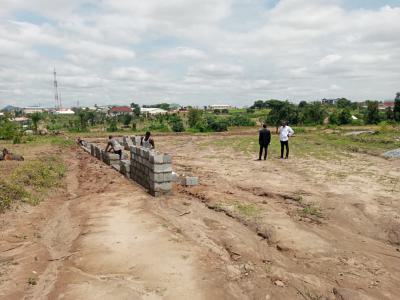
Visit the land physically. Know what surrounds it — access roads, terrain, and ongoing construction. Never buy land you haven’t seen.
d. Work with Trusted Realtors
Deal only with verified real estate consultants who understand the terrain and have handled successful transactions in the area.
See How To Verify Lands In Abuja
4. Current Land Prices and Growth Potential
Prices in Kyami vary depending on location and infrastructure. Here’s a general guide (as of 2025):
| Land Size | Price Range (₦) | Remarks |
|---|---|---|
| 500–600 sqm | 8M – 15M | Residential estate plots |
| 1 Acre | 30M – 45M | Ideal for mini estate or school |
| 1 Hectare | 120M – 160M | Suitable for developers and investors |
Annual appreciation rates currently range between 10% and 15%, depending on project proximity and road access.
Kyami’s value will continue rising as more estates, schools, and small industries emerge. Being close to Idu Railway Station and Centenary City gives it lasting relevance in Abuja’s urban expansion.
5. How to Maximize Your Investment
Once you secure land in Kyami, these steps will help you get the best returns:
- Buy Early: Prices are still low compared to nearby Lugbe and Wukara.
- Develop or Fence the Land: Secure your property and start simple structures if possible.
- Process Your Title Documents: Apply for R of O or C of O early to raise property value.
- Consider Joint Ventures: Developers are always seeking partners with land for estate projects.
- Think Long-Term: Kyami’s biggest gains will come from holding your property for 3–5 years.
Frequently Asked Questions (FAQs)
1. Which Area Council is Kyami under?
Kyami is under the Abuja Municipal Area Council (AMAC), within the Federal Capital Territory. It does not border or fall under Gwagwalada Area Council even though it is not far from the university of Abuja.
2. How far is Kyami from the Abuja city centre?
Kyami is roughly 25–30 minutes from the city centre, depending on traffic along the Airport Road.
3. What’s the closest major landmark to Kyami?
The Nnamdi Azikiwe International Airport and Centenary City are the closest. The Idu Railway Station is also nearby.
4. Is Kyami safe to invest in?
Yes. It’s under FCDA supervision, within the Abuja master plan. Just make sure your purchase is verified and properly documented.
5. What are the major risks of buying land there?
The main risk is buying from unverified sellers or from unapproved layouts. Always verify documents and deal with trusted realtors.
6. Are there basic amenities in Kyami?
Yes, though still developing. Many estates have independent power, water, and road systems. Infrastructure improves yearly as new projects enter.
See Other Real Estate Investment Opportunities in Abuja
Conclusion and Takeaways
Kyami (Lugbe District 1) is no longer a quiet stretch of undeveloped land. It’s transforming into a modern residential and business district, backed by its proximity to major Abuja landmarks — the Airport, Idu, Lugbe, and Centenary City.
For investors, it’s a rare chance to secure property in a district that’s early in its growth cycle but already supported by solid infrastructure and government planning.
Before buying, always verify documents, inspect the site, and work with reputable realtors.
If you’re looking for land that balances affordability, access, and long-term value, Kyami deserves serious attention.

Join The Discussion