
Kuje is not a random place people talk about online.
It is one of the six area councils of the Federal Capital Territory (FCT). It has an elected council, defined layouts, traditional communities, and government-recognized districts.
Because of that, many people see Kuje as a “safer” option compared to some outskirts of Abuja. And in many cases, that’s true.
But even in Kuje, buyers still lose money — not because the land is fake, but because they didn’t understand what comes after paying for the land.
This article is about those costs people usually find out about after payment.
Why Land in Kuje Is Still Cheaper Than Central Abuja
This part is important to understand.
Kuje is cheaper mainly because:
-
It is farther from Abuja city centre
-
Some layouts are still developing
-
Infrastructure is not evenly distributed
You will find:
-
Areas with tarred roads and electricity
-
And areas where access is still earth roads
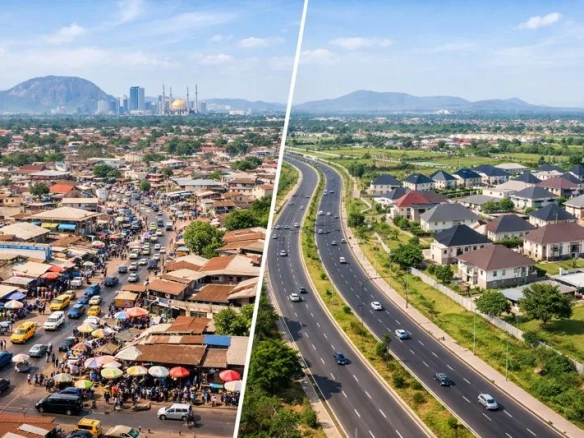
So when two lands in Kuje have different prices, it is often because they are not at the same development stage.
Cheap land is not the problem.
Not planning for the full cost is.
Hidden Cost 1: Documentation Is Often Not Fully Completed
Many lands sold in Kuje come with partial documentation, not final titles.
This is normal in developing areas.
What buyers often misunderstand is this:
Partial documentation still requires money and time to complete.
Common situations include:
-
Land with allocation papers but no Governor’s Consent
-
Family land that still needs regularization
-
Transfer fees not included in the land price
None of these mean the land is illegal — but they cost money.
What experienced buyers do
They ask:
-
What document is available now?
-
What document is missing?
-
Who pays to complete it?
If the answer is unclear, they pause.
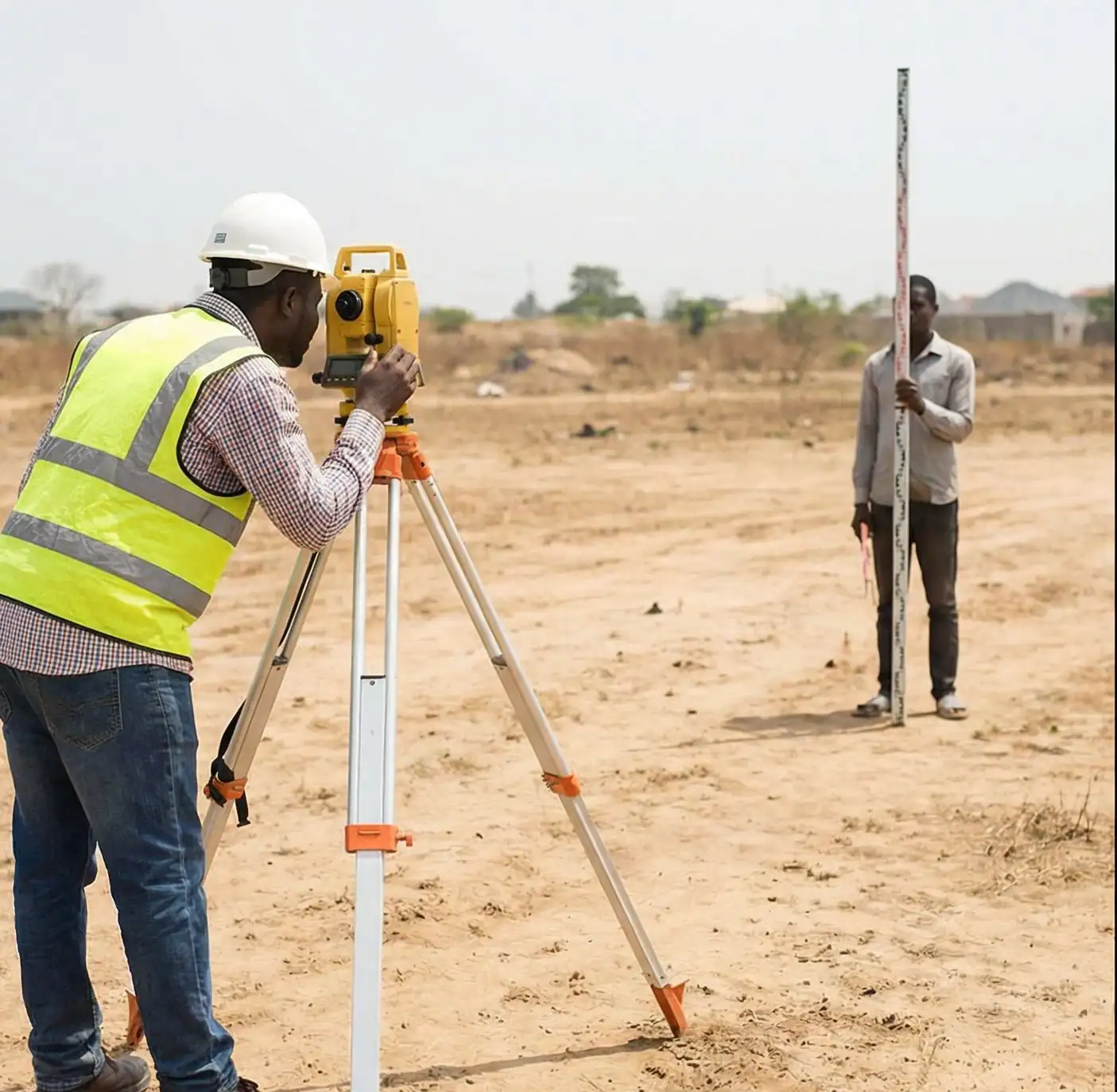
Hidden Cost 2: Survey Issues Are Common in Developing Layouts
Kuje has both planned layouts and older community areas.
In planned layouts, surveys are usually clearer.
In community areas, surveys may need extra attention.
Problems buyers face include:
-
Surveys that don’t match the land size
-
Boundary disagreements with neighbors
-
Beacons that were never properly fixed
When this happens, the buyer pays again for corrections.
A safer approach
-
Use a licensed surveyor
-
Confirm beacons on ground
-
Don’t rely only on paper
This is not about fear. It’s about accuracy.
Hidden Cost 3: Road Access Is Not the Same Everywhere in Kuje
Some parts of Kuje are easily accessible.
Others are not — especially newer layouts.
In areas without proper access:
-
Buyers often contribute to road clearing
-
Drainage becomes a shared responsibility
-
Vehicles struggle during rainy season
These costs are rarely mentioned at the beginning.
What to check before paying
-
Can you drive to the land easily?
-
Have people started building nearby?
-
How does the area look during rain?
A physical visit answers many questions.
Hidden Cost 4: Community and Local Charges Are Real
This is not unique to Kuje.
It happens across many parts of Nigeria.
In some areas, buyers pay:
-
Community development levies
-
Local authority charges
-
Recognition or settlement fees
These charges are not always illegal — but they must be clear and documented.
What protects buyers
-
Asking upfront
-
Paying through traceable means
-
Collecting receipts
Problems usually start when everything is verbal.
Hidden Cost 5: Time Delays Affect Your Pocket
Kuje is growing, but growth is not uniform.
Some areas develop quickly.
Others take longer.
If you buy land and can’t build soon:
-
You may continue paying rent elsewhere
-
You may pay to secure the land
-
You may clear the land more than once
These costs are real, even though they don’t show on paper.
A simple check
Look around:
-
Are houses already coming up?
-
Are people actively building?
-
Is the area improving steadily?
Development leaves signs.
How Smart Buyers Plan Their Budget
Experienced buyers don’t calculate land price alone.
They plan for:
-
Documentation
-
Survey
-
Access
-
Local charges
-
Delays
A common safe approach is keeping extra money aside, not spending everything at once.
This is not pessimism.
It is preparation.
See: The 5 Fastest Growing Neighborhoods in Abuja for 2025: Where Smart Investors Are Rushing to Buy Land
Questions Buyers Often Ask
Is Kuje still a good place to buy land?
Yes. Kuje remains one of the more organized area councils in the FCT. Many people have bought and built successfully.
Are these hidden costs avoidable?
Some are unavoidable. But surprises can be reduced with proper questions.
How do I know what I’ll really spend?
By asking for clarity before payment and not rushing.
Which areas are safer?
Places with visible development and clear layouts usually come with fewer surprises.
Final Thoughts
Kuje is not a scam zone.
It is a real, growing part of the FCT.
But growth comes with stages.
And each stage has costs.
When buyers understand this early, they make better decisions — and avoid stress later.
Buying land is not about chasing cheap prices.
It’s about knowing what you’re stepping into.
Join The Discussion