
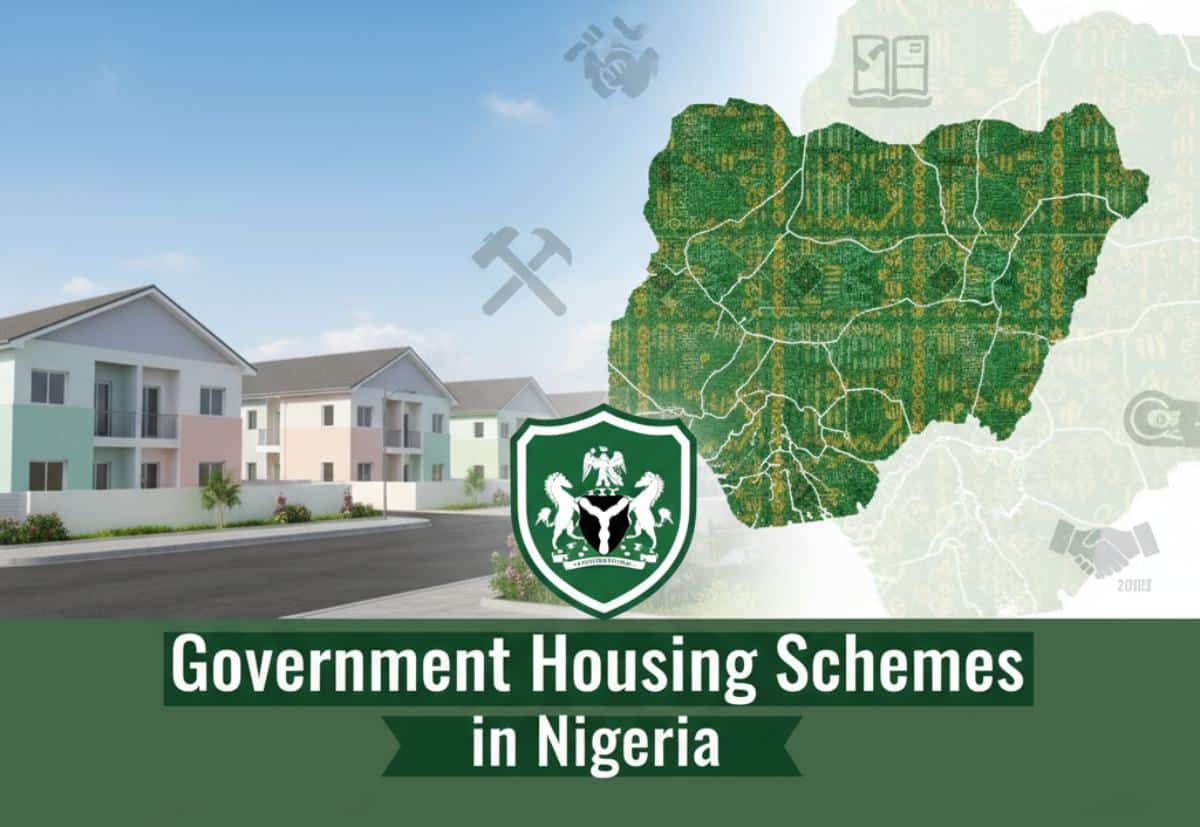
The Nigerian government has several housing schemes aimed at making homes more affordable. Key agencies include the Federal Mortgage Bank of Nigeria (FMBN), the Federal Housing Authority (FHA), and the Family Homes Fund (FHF). These schemes work through the National Housing Fund (NHF) to mobilize contributions, give mortgage loans, and deliver housing units across Nigeria. In 2025, major updates include increased loan limits and new partnerships, making these schemes more relevant for land and home buyers in areas like Abuja.
1. What Are the Key Housing Schemes?
National Housing Fund (NHF)
Established by the NHF Act (Act 3 of 1992), this fund requires Nigerians earning above a threshold to contribute a percentage of monthly income. (fmbn.gov.ng) The objective: mobilise savings for affordable housing and help contributors access loans.
Federal Mortgage Bank of Nigeria (FMBN)
The FMBN administers the NHF and other mortgage/loan products. It recently raised the maximum mortgage loan from ₦15 million to ₦50 million per applicant to broaden access. (The Nation Newspaper) The bank also issues Rent-to-Own and other housing finance options. (fmbn.gov.ng)
Federal Housing Authority (FHA) & Family Homes Fund (FHF)
The FHA and the newly formed FHF handle housing stock and delivery of units. For example, FHA disclosed ₦27 billion in loans via these schemes in 2025. (The Nation Newspaper) FMBN and FHF signed an MoU to work together on affordable housing delivery.
2. What’s New in 2025?
- The FMBN increased its mortgage loan limit to ₦50 million. (The Nation Newspaper)
- NHF collections hit ₦103 billion in 2024, showing growing participation. (News Agency of Nigeria)
- The FHA and others announced new stock targets for housing units and three-bedroom bungalows under the “Renewed Hope” programme. (fmhud.gov.ng)
- Partnerships between state governments and federal agencies were launched to complete housing estates for civil servants. (radionigeriakaduna.gov.ng)
These changes signal that the government is serious about expanding access and closing the housing gap.
3. Why These Schemes Matter for Land-Buyers and Home-Seekers
a) Access to Financing
If you’re buying land or planning to build a home in Abuja or elsewhere, these schemes offer favorable terms. For example, NHF contributors can access mortgage or construction loans.
b) Government Backing = Lower Risk
Because these schemes are backed by national policy and law (e.g., NHF Act), they add credibility to housing and land transactions.
c) Tie-in with Land & Real Estate Markets
In areas like Abuja’s developing districts (Kyami, Kuje, Idu etc.), these schemes mean that end-users will have purchasing power. If many people qualify for loans, demand for land and homes in certain zones rises. That benefits early land buyers.
See Also: How Many Plots Makes an Acre and Hectare? – Understanding Land Sizes in Nigeria
4. How to Use These Schemes — Step by Step
Step 1: Check Eligibility
- Register as an NHF contributor (for employed or self-employed) through FMBN’s process. (fmbn.gov.ng)
- Meet other criteria (income, contribution, documentation).
Step 2: Choose Your Next Steps
- Are you buying land to build? Then you might need a construction loan via NHF or FMBN.
- Are you buying a ready house in a government scheme? Then FHA or FHF units may apply.
Step 3: Know the Terms
- The mortgage limit is now up to ₦50 million (2025 update). (TheTimes.com.ng)
- There are Rent-to-Own options for those who prefer rental first. (fmbn.gov.ng)
Step 4: Connect It to Land Buying
If you are buying land in a developing area (e.g., in and around Abuja), check whether the land has good title, is located where housing demand will grow, and whether your financing scheme will cover the building or purchase.
Step 5: Work with Trusted Advisors
Because there are risks (mis-registration, fake agents, etc.), always deal with verified agents and check that the scheme’s main bank (FMBN or FHA) has published details.
5. Challenges & What You Should Be Aware Of
Bottlenecks in Disbursement
Despite progress, reports show that mortgage take-up remains low and delays exist. (nijournals.org)
Document & Agent Fraud
FMBN warns against unauthorized agents collecting fees outside their official channels.
Land and Title Issues
Even if you qualify for NHF or FHA schemes, your land must have clear title and approvals if you intend to build. Schemes generally assume the plot is free of encumbrances.
Over-Promotion
Some marketing promises may overstate benefits (“own your home in 6 months”). Realistic timelines still apply.
See Also: How to Verify Land Documents in Nigeria (2025 Guide & Checklist)
6. What This Means for Abuja & Surrounding Areas
In Abuja, affordable housing demand is strong. Many contributors to NHF live in FCT and surrounding regions. The rising loan limits and housing schemes mean that land in fringe districts (where early-buyers look) may see greater pressure as people seek affordable plots and homes.
If you own land in the corridors like Kyami, Kuje, Idu, Gwagwalada, etc., you could see increased interest from buyers who qualify for NHF mortgages or FHA units. That’s a strong tailwind for land value.
Conclusion & Actionable Takeaways
The NHF, FMBN, FHA (and the Family Homes Fund) form a three-part ecosystem for affordable housing in Nigeria. The 2025 updates show momentum is growing.
If you’re buying land or home in or near Abuja, here are your next steps:
- Check whether the land or home can qualify for these schemes.
- Register early as an NHF contributor if you’re not yet.
- Ensure your plot has clear title and is in a locality that benefits from infrastructure and housing demand.
- Avoid agents who promise “fast approvals” outside official channels.
- Keep your documentation safe and align your purchase with your long-term plan (build, rent, hold).
These schemes are tools — and when used wisely, they can help you turn land or home ownership into a sound investment.


Join The Discussion