

Buying cheap lands in Abuja can either become your smartest financial move or your longest regret. Land appreciates in Abuja when it is positioned near strong demand drivers such as major roads, universities, government districts, commercial hubs, and active construction corridors. If those elements are missing, price growth is usually slow, uncertain, or purely speculative. Before you commit your money, you must understand what truly drives land appreciation in Abuja.
The Mistake Most Abuja Land Buyers Make
Many buyers focus on one thing: price.
They see a plot selling for ₦800,000 in a “fast-developing area” and assume they are early investors. Three years later, the same plot is worth ₦1 million. That is ₦200,000 growth in three years.
Meanwhile, another investor buys land for ₦2.5 million near an expanding corridor with visible infrastructure and institutional presence. Three years later, it is worth ₦6 million.
The difference is not luck.
The difference is demand concentration.
Land does not appreciate because it is cheap.
Land appreciates because people need that location.
What Makes Land Appreciate in Abuja?
Land appreciation in Abuja is driven by five core forces:
-
Proximity to major landmarks
-
Infrastructure development
-
Population movement
-
Commercial expansion
-
Security and institutional presence
When at least three of these factors are active within a 3–5km radius, appreciation probability increases significantly.
Let’s break this down using real Abuja examples.
The Landmark Rule of Land Investment (Abuja Edition)
A landmark is any major feature—natural or man-made—that attracts consistent human activity.
Landmarks create movement.
Movement creates demand.
Demand increases land value.
In Abuja, landmarks are not theoretical. They are visible growth magnets.
Universities & Institutional Clusters


Abuja hosts strong tertiary institutions including:
-
University of Abuja
-
Baze University
-
Nile University
-
Veritas University
Why this matters:
Universities create permanent housing demand. Students, lecturers, commercial vendors, and service providers need accommodation year after year.
Land within proximity to institutional zones tends to appreciate faster because rental viability exists. Developers move in. Hostels emerge. Commercial shops follow.
No university cluster. No student-driven demand.
Major Transport & Road Corridors

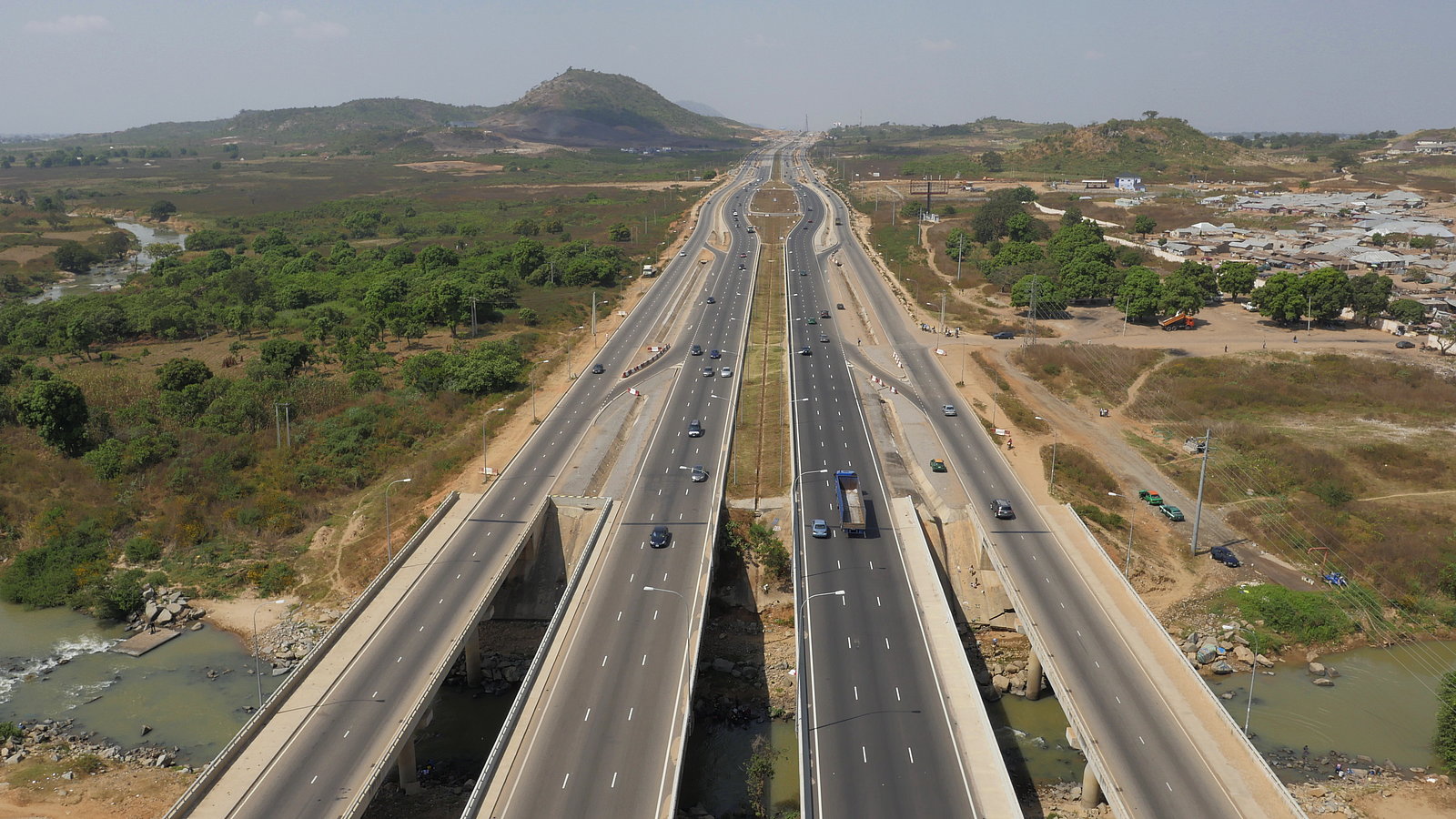
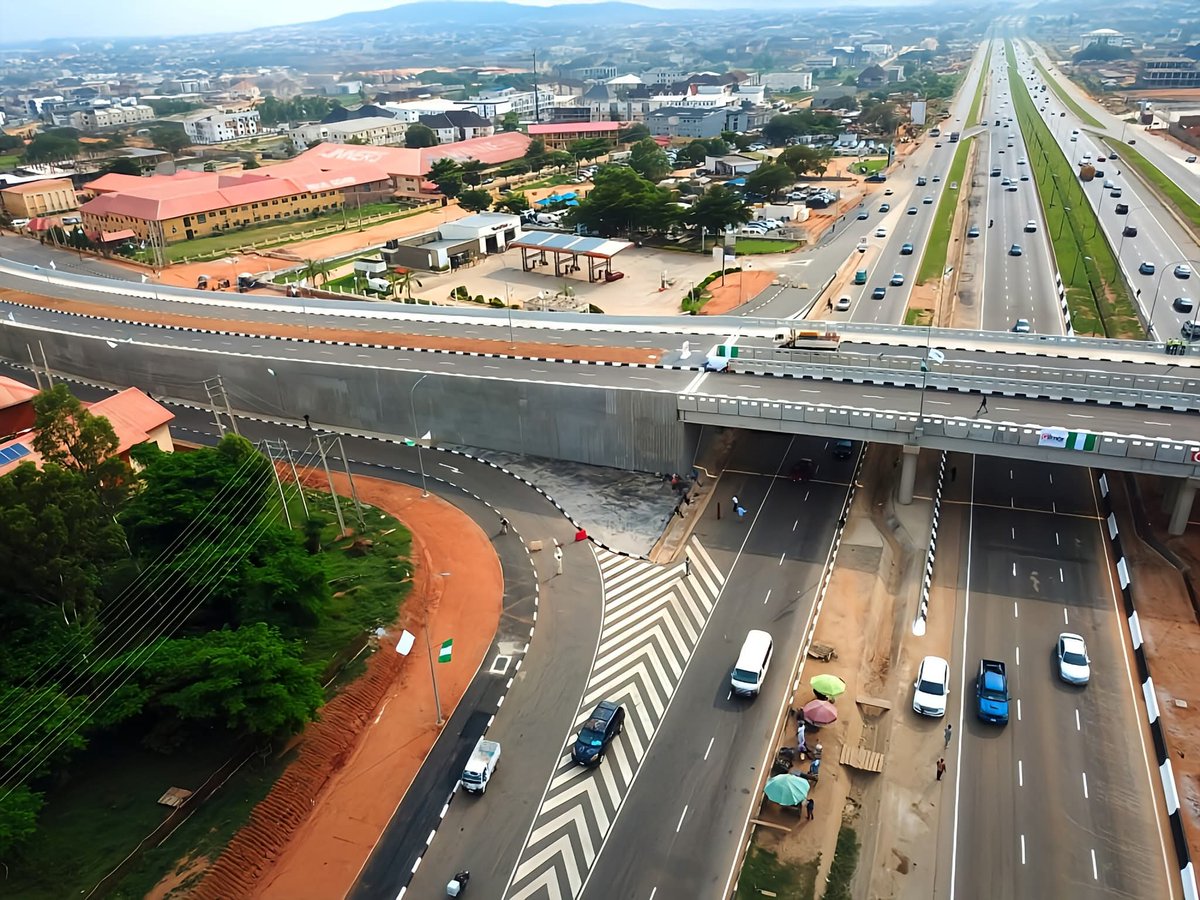
Strategic corridors in Abuja include:
-
Nnamdi Azikiwe International Airport
-
Airport Road axis
-
Outer Northern Expressway
-
Abuja–Kaduna Expressway
Accessibility determines desirability.
Land near major corridors appreciates faster because:
-
Commute time reduces
-
Commercial traffic increases
-
Developers prefer accessible plots
-
Investors can easily resell
Remote plots without road access often stagnate for years.
Government & Administrative Districts


Key administrative zones include:
-
Central Business District
-
Three Arms Zone
-
National Assembly Complex
Government presence stabilizes property value.
Why?
Because administrative districts attract workers, businesses, hotels, and structured infrastructure. Spillover demand from these areas fuels surrounding districts.
Abuja is a government city. Ignoring that reality is a mistake.
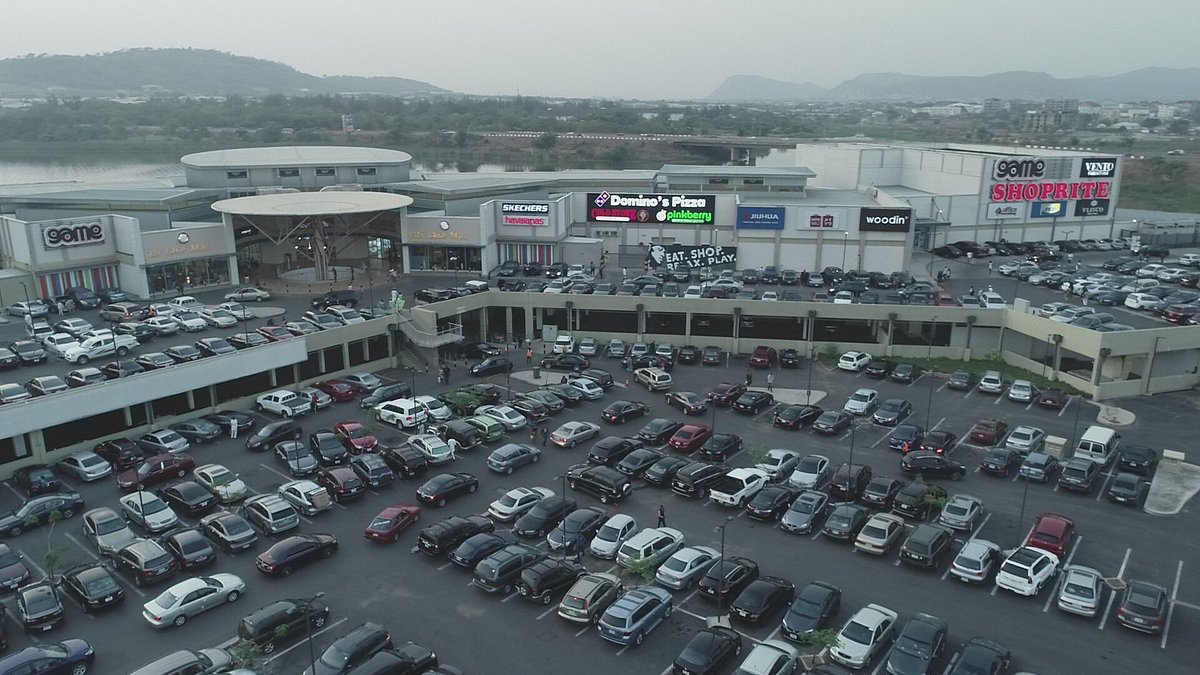
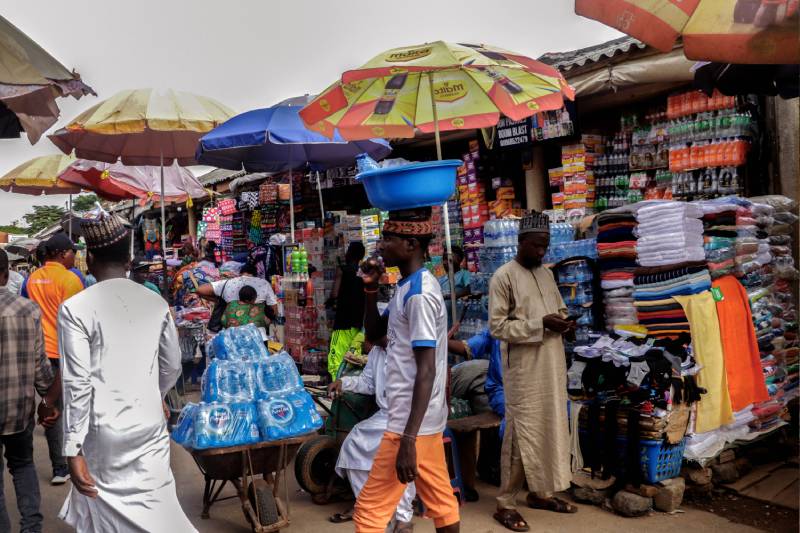
Commercial & Lifestyle Hubs
-
Jabi Lake Mall
-
Wuse Market
-
Gwarinpa
Where businesses cluster, money flows.
If banks, supermarkets, fuel stations, and malls are investing in an area, it signals confidence in sustained human traffic.
Investors who understand this follow the businesses—not the cheap prices.
Infrastructure: The Silent Appreciation Engine
Infrastructure determines long-term viability.
Ask yourself:
-
Are there paved roads?
-
Is electricity extended to the area?
-
Is drainage visible?
-
Are telecom masts present?
Infrastructure reduces development friction.
Abuja land without infrastructure can remain undeveloped for 5–10 years. Infrastructure-backed areas attract developers immediately.
Construction Activity: The Real-Time Indicator
One of the strongest indicators of appreciation in Abuja is visible building activity.
If:
-
Fences are going up
-
Duplexes are under construction
-
Estate gates are being built
That location is moving.
Empty bush for years with no visible construction? That is dormant demand.
The 5-Point Abuja Land Evaluation Checklist
Before buying any land in Abuja, answer these clearly:
1. Can I identify at least three strong landmarks within 5km?
If you cannot, demand may be weak.
2. Is there direct road access or approved infrastructure?
Without access, resale becomes difficult.
3. Are people actively building around the area?
Construction equals confidence.
4. Can this location generate rental income within 3–5 years?
Rental viability accelerates appreciation.
5. Is security presence visible?
Police posts, estate security, institutional buildings increase buyer confidence.
If you hesitate on three or more of these questions, pause.
The Harsh Truth About Cheap Abuja Land
Abuja is structured growth. It is not random growth.
Cheap land in a poorly connected extension area may look like an opportunity. But if:
-
No road expansion is planned
-
No institutions are nearby
-
No commercial hubs exist
-
No construction activity is visible
You are buying speculation.
Some investors hold such land for 10 years with minimal appreciation.
You are not buying land.
You are buying future demand.
If there is no visible driver of demand, your capital may sleep.
Who This Applies To
This evaluation framework is relevant for:
-
First-time land buyers in Abuja
-
Diaspora investors seeking safe property investment
-
Salary earners building long-term wealth
-
Developers searching for viable projects
-
Speculators seeking early growth corridors
Different goals. Same evaluation logic.
Frequently Asked Questions (FAQ)
1. How do I know if land will appreciate in Abuja?
Land appreciates in Abuja when it is close to major landmarks, road corridors, government districts, universities, and commercial hubs within a 3–5km radius. Visible infrastructure and active construction further increase appreciation potential.
2. Is buying cheap land in Abuja a good investment?
It can be, but only if the location has verified demand drivers such as infrastructure expansion, institutional presence, or commercial growth. Cheap land without these factors often experiences slow appreciation.
3. Does proximity to the airport increase land value in Abuja?
Yes. Areas near major transport corridors such as airport zones often appreciate faster due to accessibility, commercial development, and investor confidence.
4. How important is infrastructure when buying land in Abuja?
Infrastructure is critical. Roads, electricity, drainage, and water access significantly affect resale value and development speed.
5. Can land appreciate without landmarks nearby?
It can, but growth is usually slower and more speculative. Strong landmarks significantly accelerate demand and price growth.
Final Thought
Before you buy land in Abuja, ask yourself one honest question:
Can I clearly identify the demand drivers around this property?
If the answer is unclear, do not rush.
Smart land investment is not about buying the cheapest plot. It is about buying the right location at the right time.
If you are considering buying land in Abuja and want a professional evaluation of the landmarks, infrastructure trajectory, and appreciation potential around that property, reach out for a structured assessment.
A smart decision today protects your capital tomorrow.



Join The Discussion